Common Hardwood Flooring Myths Debunked by Kansas City Professionals
K&
When it comes to choosing flooring, hardwood is often at the top of the list for many homeowners. However, several myths can cloud the decision-making process. To help you make an informed choice, Kansas City professionals have debunked some common hardwood flooring myths.
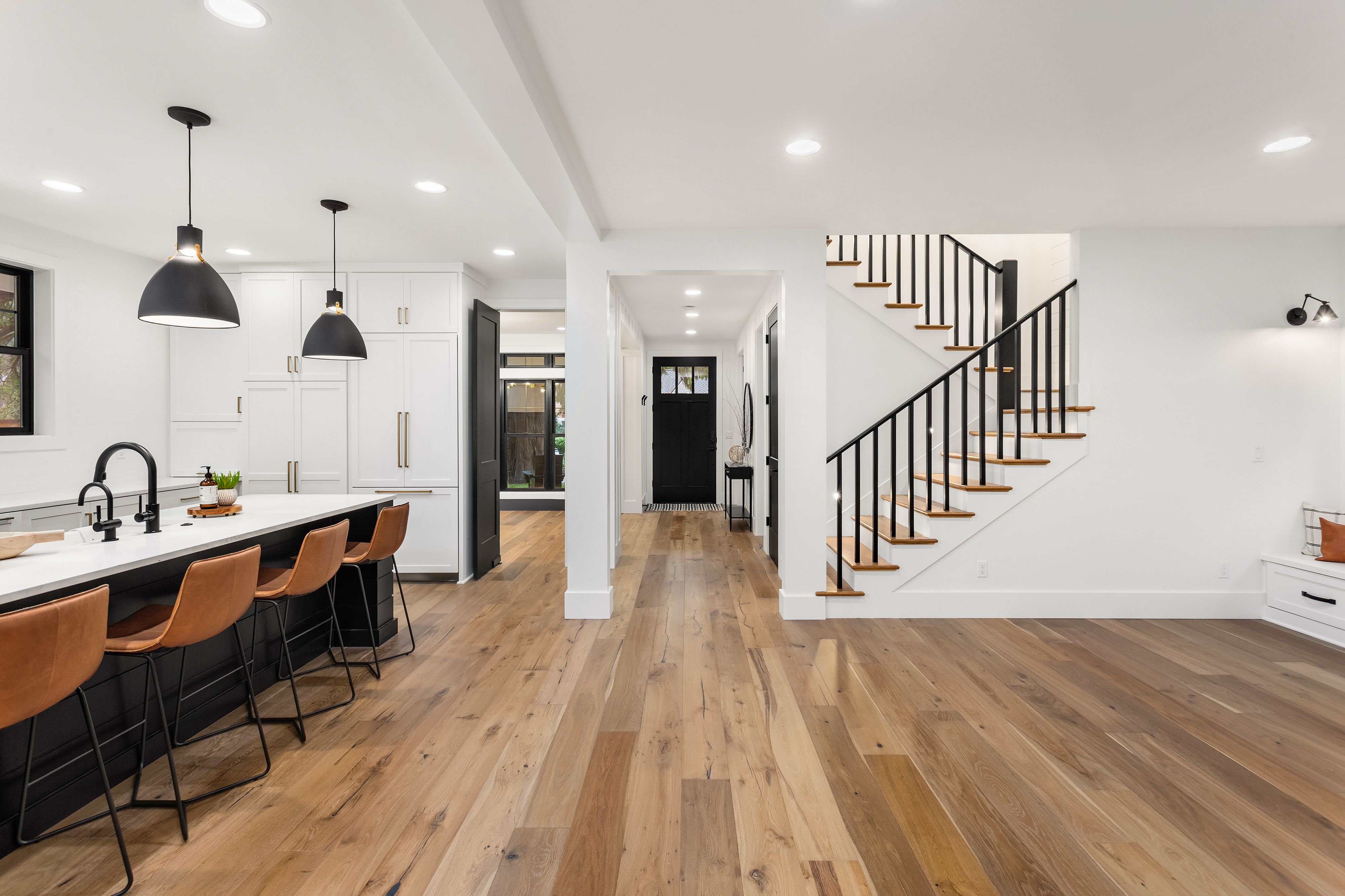
Myth 1: Hardwood Floors Are Too Expensive
It's a common belief that hardwood floors are prohibitively expensive. While it's true that initial costs can be higher than some alternatives, consider the long-term investment. Hardwood floors are durable and can last for decades, often increasing your home's resale value. Over time, the cost balances out when you factor in longevity and maintenance.
Cost Comparison
When compared to carpet or laminate, hardwood may seem pricey upfront. However, these alternatives often require replacement within 10-15 years. In contrast, hardwood can last a lifetime with proper care.

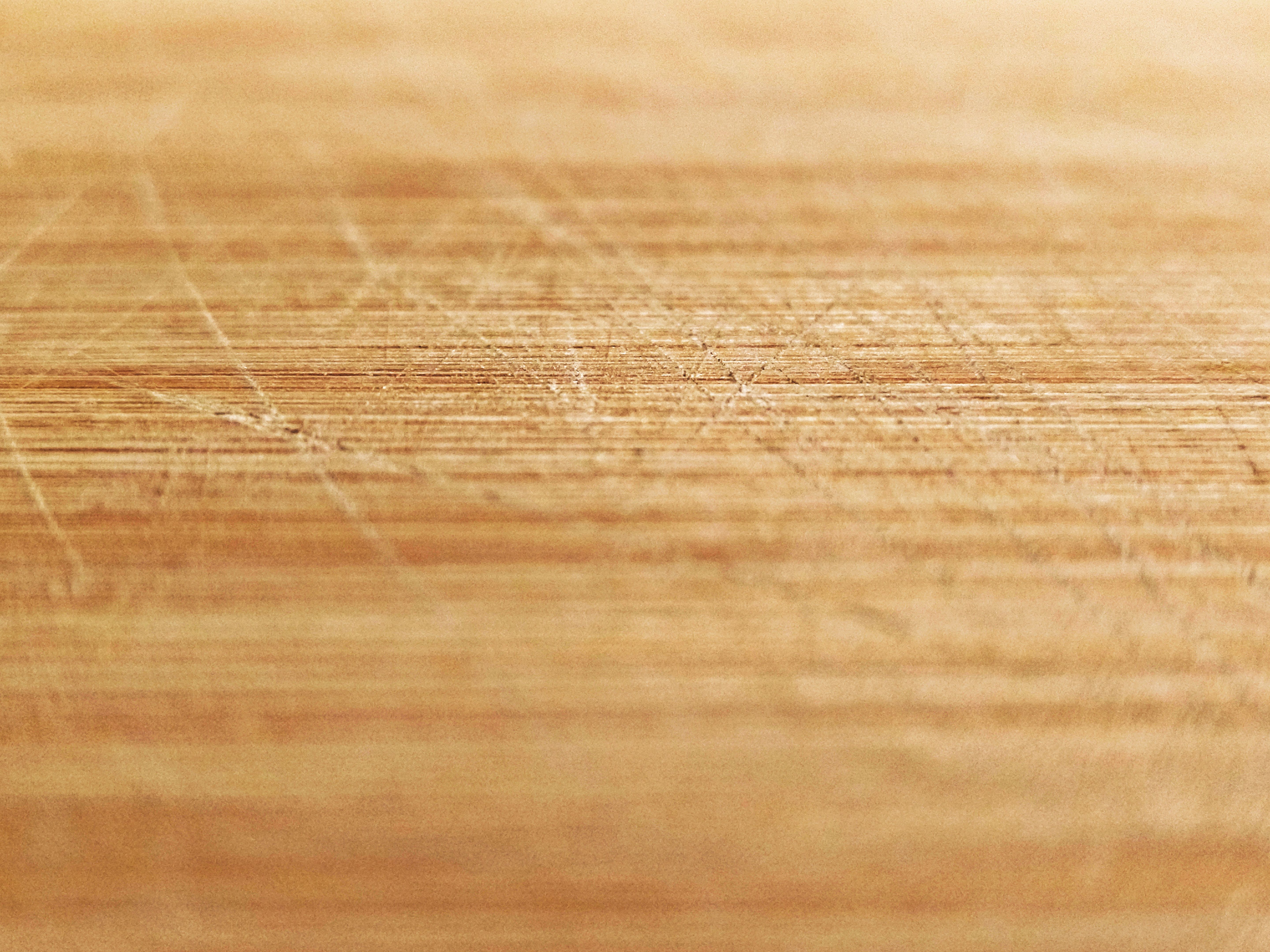
Myth 2: Hardwood Floors Scratch Easily
While no flooring is entirely scratch-proof, hardwood is surprisingly resilient. The key is choosing the right type of wood and finish. For high-traffic areas, opt for harder woods like oak or hickory. Additionally, modern finishes offer excellent scratch resistance, making them suitable for homes with pets and children.
Protective Measures
Using area rugs and furniture pads can further protect your floors. Regular maintenance, such as sweeping and using appropriate cleaning products, also helps maintain their appearance.
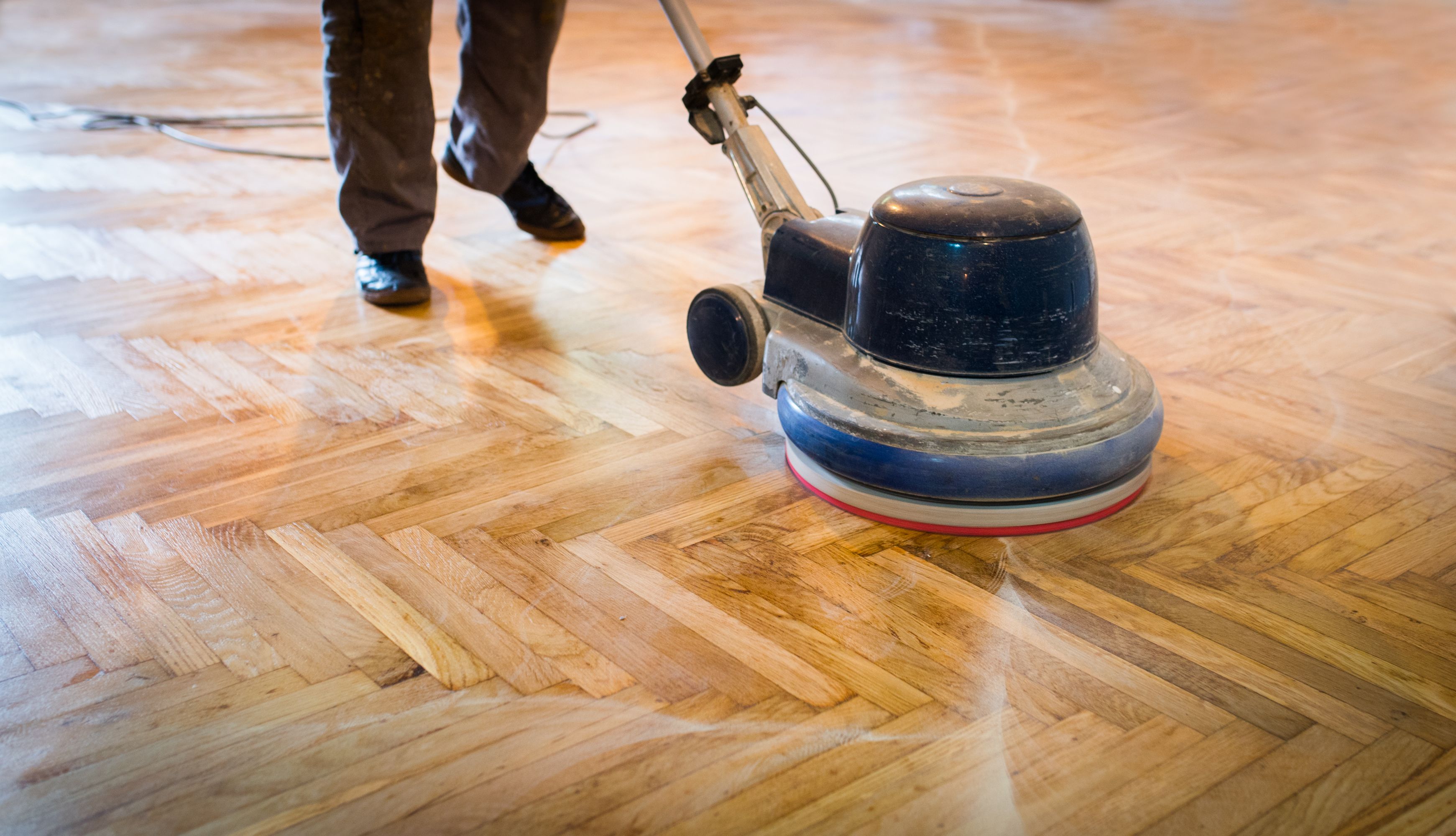
Myth 3: Hardwood Floors Are Challenging to Maintain
Many people think hardwood flooring requires extensive upkeep. In reality, maintaining hardwood is straightforward. Regular sweeping or vacuuming with a soft-bristle attachment keeps dirt and grit at bay. Occasional mopping with a damp cloth and a wood-friendly cleaner is usually sufficient.
Maintenance Tips
- Avoid excessive water while cleaning.
- Use doormats to reduce dirt and moisture.
- Refinish every 7-10 years to refresh the surface.
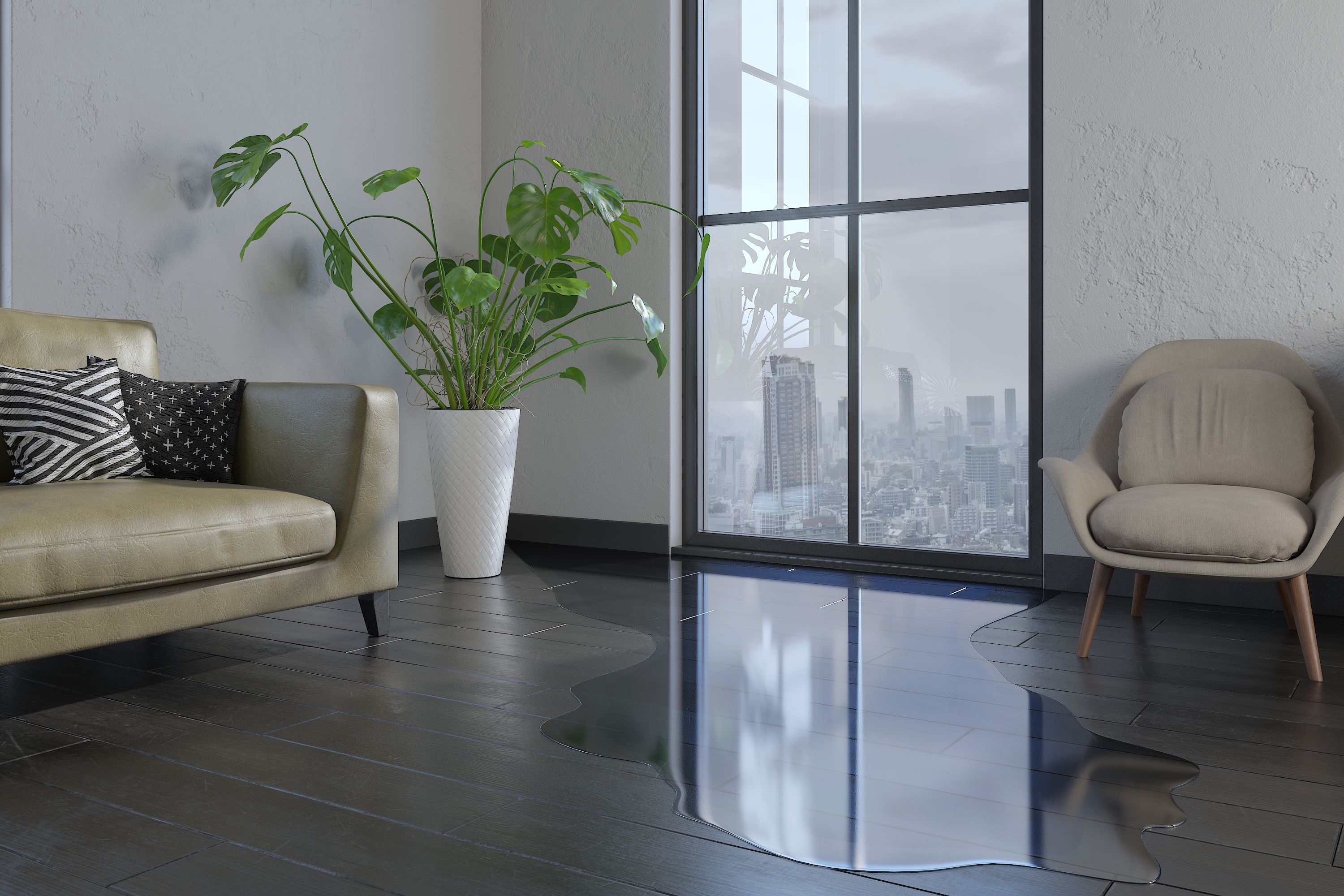
Myth 4: Hardwood Floors Aren't Suitable for Humid Climates
Some believe that hardwood is not ideal for humid areas. However, with proper installation and care, hardwood can thrive in a variety of climates. The key lies in acclimating the wood before installation and maintaining consistent indoor humidity levels.
Climate Considerations
Using a dehumidifier in summer and a humidifier in winter can help keep your hardwood floors in top condition. Engineered wood options also offer increased stability in fluctuating climates.
In conclusion, hardwood flooring remains a popular choice for its elegance and durability. By debunking these myths, Kansas City professionals hope to guide you toward making a confident decision for your home. Remember, the right care and understanding can make hardwood flooring a valuable and lasting investment.